
Review · VENICE
Venice: St. Mark’s Walking Tour & Gondola Traghetto Crossing
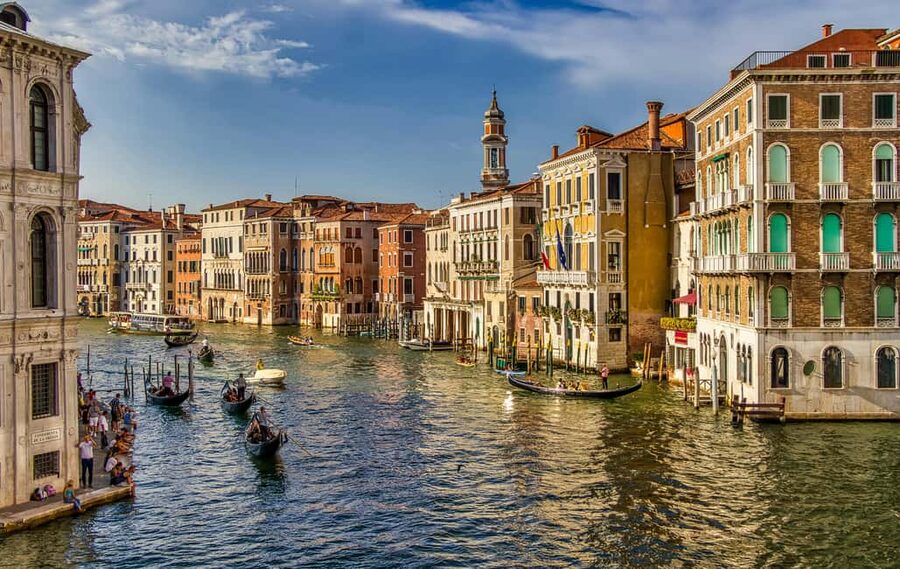
The best part of this Venice walk is the gondola traghetto crossing. It is not a private gondola ride, but a short local ferry trip across the Grand Canal, the practical way Venetians cross where there is no bridge. The route also gives you a useful first look at St. Mark’s District before sending you off with audio commentary.
I like the 15-minute introduction because it gives you basic bearings before the self-guided portion begins. I also like the route’s reach: you move from St. Mark’s Square and the Doge’s Palace toward Dorsoduro, passing art, politics, churches, cafés, and everyday Venetian streets.
The main concern is organization. The experience has a 3.1 rating from 10 posted ratings, with several strong scores but also complaints that the instructions were unclear or that parts of the activity did not take place. You should arrive prepared to use your phone and follow the route independently.
Key points at a glance
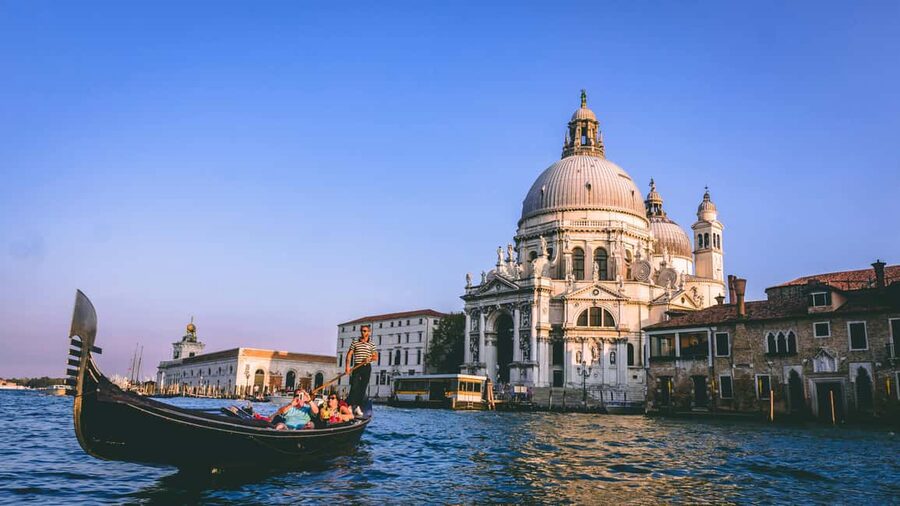
- The traghetto is a real local crossing: Pay the gondolier about €2 per person on site during usual operating hours, generally 10:00 AM to 5:00 PM.
- The guided part is short: A local host leads an English introduction for about 15 minutes, then you continue without a guide beside you.
- The route covers 36 sights: Expect famous landmarks, political buildings, art museums, cafés, churches, and views across the Grand Canal.
- Dorsoduro adds variety: The walk moves beyond the busiest St. Mark’s area toward Santa Maria della Salute, the Peggy Guggenheim Collection, and the Accademia Bridge.
- Your phone is essential: Bring headphones, a charged smartphone, and comfortable shoes for bridges and uneven pavement.
- The price is modest but the format matters: At $14 per person, it is best viewed as a short orientation plus a self-guided walking route, not a fully guided tour.
Starting near Campo San Zaccaria
You check in at the partner office at Campo San Zaccaria, number 4683g, about 5 to 10 minutes before departure. This is close to the St. Mark’s area, so allow extra time if you are coming from another part of Venice. The city’s narrow lanes and bridges can make a short map distance take longer than expected.
At the office, a host welcomes you, explains the route, and helps you get started. The host languages listed include English, Italian, French, Portuguese, Russian, Chinese, Japanese, German, and Spanish. The initial introduction itself is in English, so the multilingual support is most useful for the audio portion and pre-tour assistance.
The welcome matters because this is not a traditional walking tour with a guide leading every step. You receive context at the beginning, then use the audio guide on your own. If you expect a guide to remain with you for two hours, this format could disappoint you.
More St Mark's Basilica Gondola Rides in Venice:
- Venice In a Day: St Mark’s, Doges Palace Gondola Ride & City Tour
★ 5.0 · 3,588 reviews - Venice’s Best: Basilica, Doge’s Palace, Gondola & History Gallery
★ 4.5 · 2,478 reviews - Best Of Venice: Saint Mark’s Basilica, Doges Palace with Guide and Gondola Ride
★ 4.5 · 800 reviews
A short introduction before St. Mark’s Square
The opening walk takes about 15 minutes and introduces Venice’s history and identity as you head toward St. Mark’s Square. I see this as the most useful part for a first-time visitor who wants a quick explanation before looking at the buildings.
St. Mark’s Square is the political and symbolic center of Venice. The audio route then points out the square’s major buildings and the way they reflect Venetian power, religion, trade, and civic life. You are not simply walking past façades. The commentary is intended to explain why these places mattered.
The arrangement also gives you flexibility. You can pause for photos, stop for a coffee, or spend longer at a sight that catches your attention. The drawback is that you must manage your own time. With 36 points of interest in roughly two hours, you cannot study every stop in detail.
St. Mark’s Square, the basilica, and the clock
The first group of sights concentrates on the heart of Venice. St. Mark’s Basilica introduces the city’s close ties with the eastern Mediterranean through its mosaics and architectural influences. The commentary focuses on sacred power and the way the basilica helped express Venice’s identity.
Nearby, the Clock Tower connects timekeeping with trade and city life. The route also includes the Ridotto near Caffè Lavena, a place associated with gambling and Carnival society. That contrast is useful: Venice was not only a city of churches and government halls. It was also a city of spectacle, commerce, pleasure, and strict social rules.
You then pass the Procuratie Vecchie and Procuratie Nuove, the long buildings that frame St. Mark’s Square. The Napoleonic Wing and Museo Correr add a later chapter, including the fall of the Venetian Republic and the city’s civic memory.
Caffè Florian brings a more refined side of the square. It is one of the historic cafés linked with artists and intellectual life. The Campanile and Loggia complete this section with two classic symbols of Venetian public display.
Doge’s Palace and the machinery of power
The route next turns to the Doge’s Palace, the center of Venetian government and justice. Look for the red columns and the details around the entrances. The audio commentary helps connect the palace to law, authority, and the carefully staged image of the republic.
The Porta della Carta and the figures known as the Tetrarchs continue that theme. The Biblioteca Marciana represents knowledge, while the Zecca represents money. Together, these stops show how Venice relied on government, books, finance, and trade as much as on its famous canals.
The Columns of St. Mark and St. Theodore have a darker connection to justice and executions. From here, the view toward St. Mark’s Basin explains Venice’s position facing the sea. This is one of the route’s useful shifts in perspective. You see the city not only as a collection of lanes and palaces, but as a maritime power.
The prisons and Bridge of Sighs bring in crime, punishment, and legend. The Royal Gardens then offer a political contrast, with their connection to Napoleon and changing ideas of public space. You will see many major landmarks in a short distance, so this section can feel dense. Keep your phone ready and pause the audio if you need time to look around.
More Gondola Rides with a Walking Tour in Venice:
- Venice Walking Tour and Gondola Ride
★ 3.5 · 3,630 reviews - Venice: City Center Walking Tour & Iconic Gondola Ride
★ 4.3 · 500 reviews - Venice: Walking Tour and Shared Gondola Ride
★ 4.1 · 466 reviews - Venice Walking Tour and Gondola Ride Combo
★ 4.4 · 266 reviews
Crossing the Grand Canal by traghetto
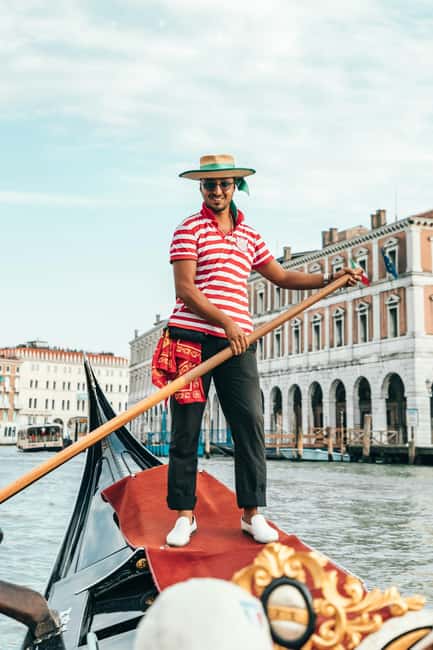
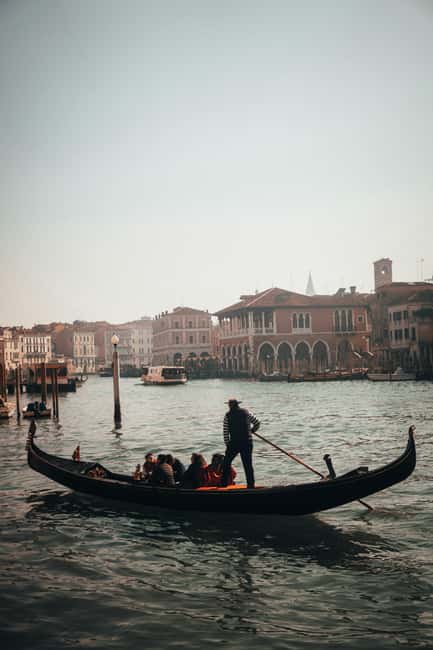
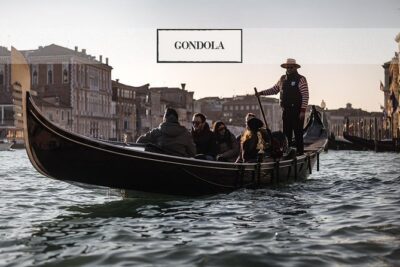
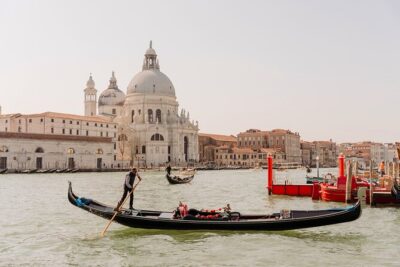
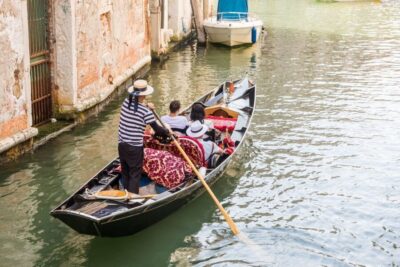
The gondola traghetto is the experience’s most distinctive feature. A traghetto is a traditional gondola used as a short ferry across the Grand Canal. It is not the same as a private sightseeing gondola ride. You share the crossing and use it as local transportation.
The crossing fee is about €2 per person and must be paid directly to the gondolier. It cannot be prepaid because the service is governed by local Venetian rules. The crossing can be used during usual traghetto operating hours, generally from 10:00 AM to 5:00 PM.
This small extra charge is easy to overlook, so keep a couple of euros handy. The timing also matters. If you start late or take long breaks, you should make sure you reach the crossing while the service is running.
I like this arrangement because it gives you a genuine bit of Venetian routine without charging you the price of a private gondola ride. I would not book the experience expecting a romantic canal cruise. Think of it as a brief, practical boat transfer with a fine view and a strong sense of place.
Dorsoduro and Venice’s art scene
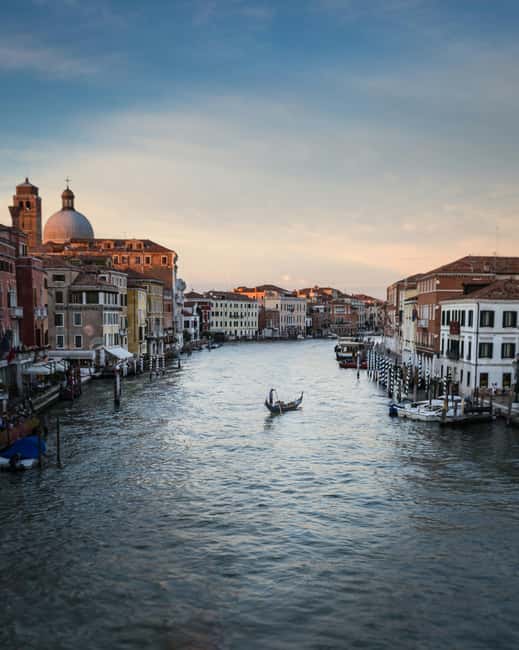
After the crossing, the route enters Dorsoduro. The district changes the mood of the walk. Instead of staying among the grand political buildings around St. Mark’s, you move into an area associated with art, elegant streets, churches, and views over the water.
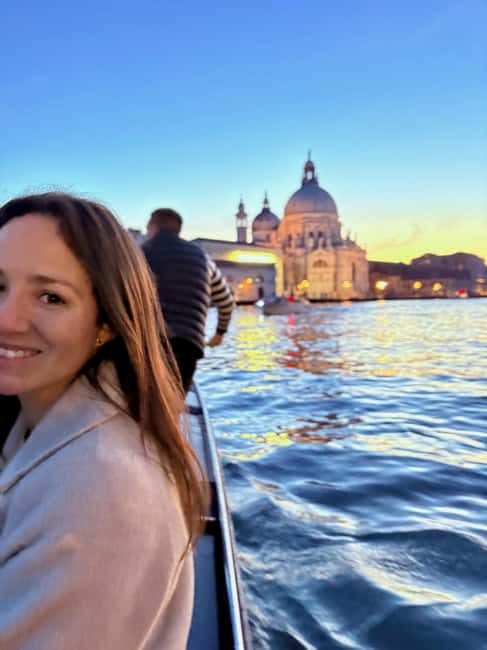
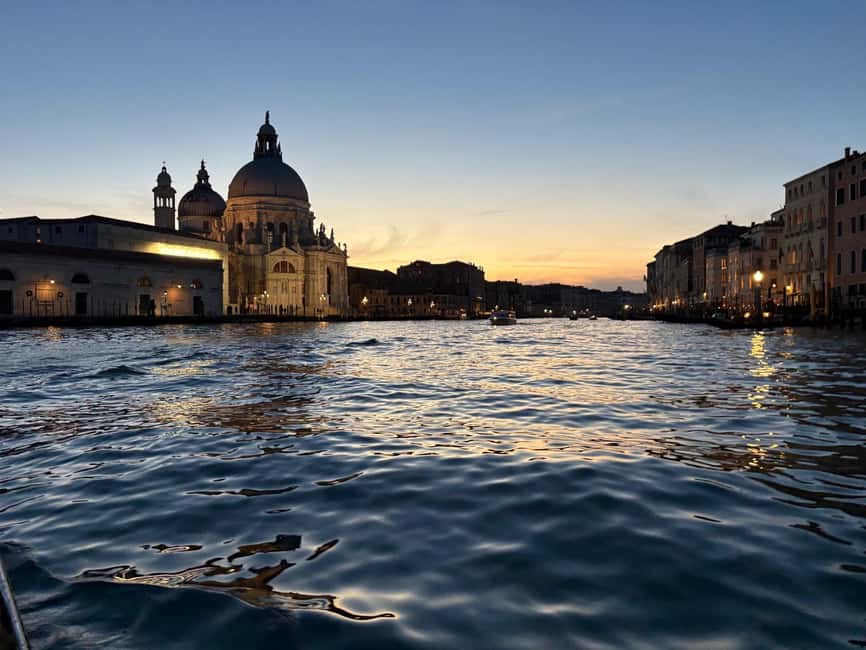
Santa Maria della Salute is one of the major stops. The church was built after Venice survived a devastating plague, and its origin in a public vow gives the building extra meaning. Across the water, Dogana da Mar reflects Venice’s long connection with shipping and customs. It also connects the city’s commercial past with contemporary art.
Ca’ Dario adds one of Venice’s famous stories about unlucky owners and troubled destinies. The tale is part of the city’s taste for mystery, but the palace also fits the larger theme of private wealth and grand canal architecture.
The Peggy Guggenheim Collection brings modern art into the route. Palazzo Cini and the Gallerie dell’Accademia return you to Venetian painting and older artistic traditions. If you want to go inside these museums, you will need separate admission and extra time. The walk identifies them and explains their place in Venice, but it is not a museum ticket or a full museum tour.
Bridges, opera, luxury, and revolution
The Accademia Bridge provides one of the route’s clearest Grand Canal views. It also marks an important connection between the city’s artistic districts and the waterway that shaped Venetian movement and trade.
Teatro La Fenice adds drama of another kind. Its story of destruction and rebirth suits Venice, a city that has repeatedly had to protect its cultural identity through change. The commentary here should appeal to anyone who enjoys opera, architecture, or the less polished side of famous monuments.
Calle Larga XXII Marzo is lined with luxury shops and grand façades. The route also links the street with the 1848 revolution, reminding you that this polished part of Venice has a political past.
Campo and Church of San Moisè finish the named highlights with Baroque theatre and symbolic power. These stops help round out the walk. You see Venice as a city of public ceremonies, private luxury, religious devotion, trade, art, and political conflict.
How the audio guide works in practice
The audio guide is available in English, French, Italian, Spanish, German, Portuguese, Russian, Chinese, and Japanese. The content is presented as a premium art and art history experience validated by Retrace, a European agency in that field.
You use your own smartphone and headphones, so charge your phone before setting out. Headphones are strongly recommended if you want to hear the commentary clearly in busy squares and along open waterfronts.
The self-guided format is a strength if you dislike being rushed. You can stop whenever you wish and continue when ready. It also lets families move at different speeds, which is useful with children.
The tradeoff is that technology becomes part of the tour. A dead battery, poor preparation, or confusion about the route can spoil the experience. One severe criticism described the activity as little more than a leaflet and an unclear handoff. Other feedback describes the welcome and explanations as clear and helpful. Because the experience depends heavily on the initial briefing, listen carefully before you leave the office and ask questions if anything is unclear.
What the $14 price really buys
At $14 per person, this is inexpensive for Venice. The fee covers the welcome, the short English introduction, the audio route, support from Voir Venise, and a small gondola-themed souvenir. The traghetto crossing costs about €2 extra.
The value depends on what you want. If you want a low-cost orientation with a broad list of sights, the price is attractive. You get a route that links major landmarks with less obvious details, and you can move at your own pace.
If you want two hours of continuous live guiding, the price will not deliver that. The guide does not remain with you for the full walk. The souvenir is a minor extra, not a reason to book.
The feedback is sharply split. Several ratings give the experience full marks for its clear introduction, easy audio guide, pleasant pace, and good value. Other ratings report that the activity did not match expectations, with complaints about organization, missing elements, or no apparent crossing. That inconsistency is the biggest factor to consider before booking.
Who should choose this Venice walk
I would recommend it most strongly to first-time visitors who want a quick introduction and a planned route but do not want to spend much. It also suits families, since you can pause and adjust the pace rather than keep up with a group.
It is a good match for independent sightseers who enjoy listening to commentary while walking. The nine-language audio selection is helpful for international groups, and the route gives you a broad look at central Venice without requiring a full-day commitment.
You may want another option if you need step-free access. The walk includes bridges and uneven surfaces and is not recommended for wheelchair users. It is also less suitable if you want detailed personal answers throughout the route or if you prefer not to use a phone while sightseeing.
Wear comfortable walking shoes. Venice’s bridges and paving can be tiring, and the route covers several districts in about two hours. Start early enough to protect the traghetto portion from the usual pressures of a late schedule.
Should you book it?
Book this experience if you see it as a short live introduction followed by a self-guided walk, and if the low price matters. The traghetto crossing is a worthwhile local touch, and the route covers an impressive range of Venice’s political, artistic, and religious landmarks.
I would book with realistic expectations and confirm the route details at the office before leaving. Keep €2 for the gondolier, charge your phone, bring headphones, and allow some flexibility around the crossing hours. If you want a dependable guide beside you from start to finish, choose a conventional guided walking tour instead.
FAQ
How long does the Venice walking tour last?
The experience lasts approximately two hours, including the guided introduction, self-guided route, and walking loop back to St. Mark’s Square.
Where does the tour begin?
You check in at the partner office at Campo San Zaccaria 4683g, about 5 to 10 minutes before the scheduled start.
Where does the tour end?
The walking loop ends in St. Mark’s Square.
Is a guide present for the full two hours?
No. A local host leads an English introduction of about 15 minutes. You then continue independently with the audio guide on your smartphone.
How much does the traghetto crossing cost?
The crossing costs about €2 per person. You pay the gondolier directly on site, and the fee is not included in the booking price.
What languages are available for the audio guide?
The audio guide is available in English, French, Italian, Spanish, German, Portuguese, Russian, Chinese, and Japanese.
Is the experience suitable for wheelchair users?
It is not recommended for wheelchair users because the route includes uneven surfaces and bridges.
Just added around Venice
- Venice: Vip Semi-Private Walking Tour with Gondola Ride★ 4.5 · 17 reviews
- Venice: Walking Tour & Gondola Ride★ 4.4 · 22 reviews
- Venice: Gondola Ride and Skip the Line Doge’s Palace Tour★ 4.1 · 36 reviews
- LAND & GONDOLA PHOTOSHOOTING★ 4.8 · 8 reviews
- Venice: Romantic Palace Dinner and Private Gondola Ride★ 4.7 · 6 reviews
- Venice: St. Mark’s Basilica Guided Tour and Gondola Ride★ 4.5 · 2 reviews
- Venice: Private Tour with Doge’s Palace, St. Mark’s, Gondola★ 5.0 · 7 reviews
- Venice: Private Photoshoot In Gondola★ 5.0 · 13 reviews
Venice Gondola Rides, compared.
Grand Canal Gondola Ride with App Commentary
Read our review →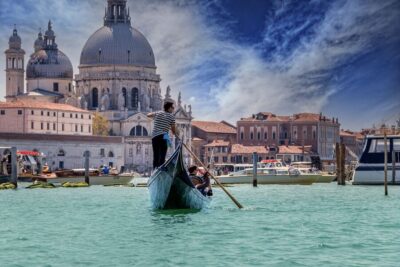
Grand Canal Gondola Experience with Live Commentary™
Read our review →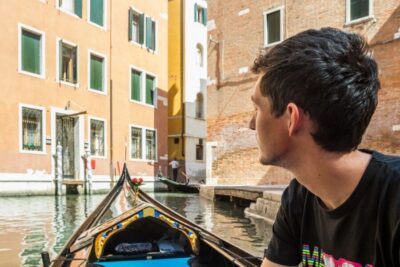
Grand Canal Gondola Experience with Live Commentary™
Read our review →
Venice In a Day: St Mark’s, Doges Palace Gondola Ride & City Tour
Read our review →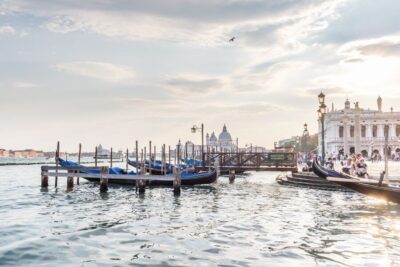
Browse the lists this tour appears in